


2026
Integrated Systems Testing (IST) Explained: Who Is Responsible and When Is It Required?
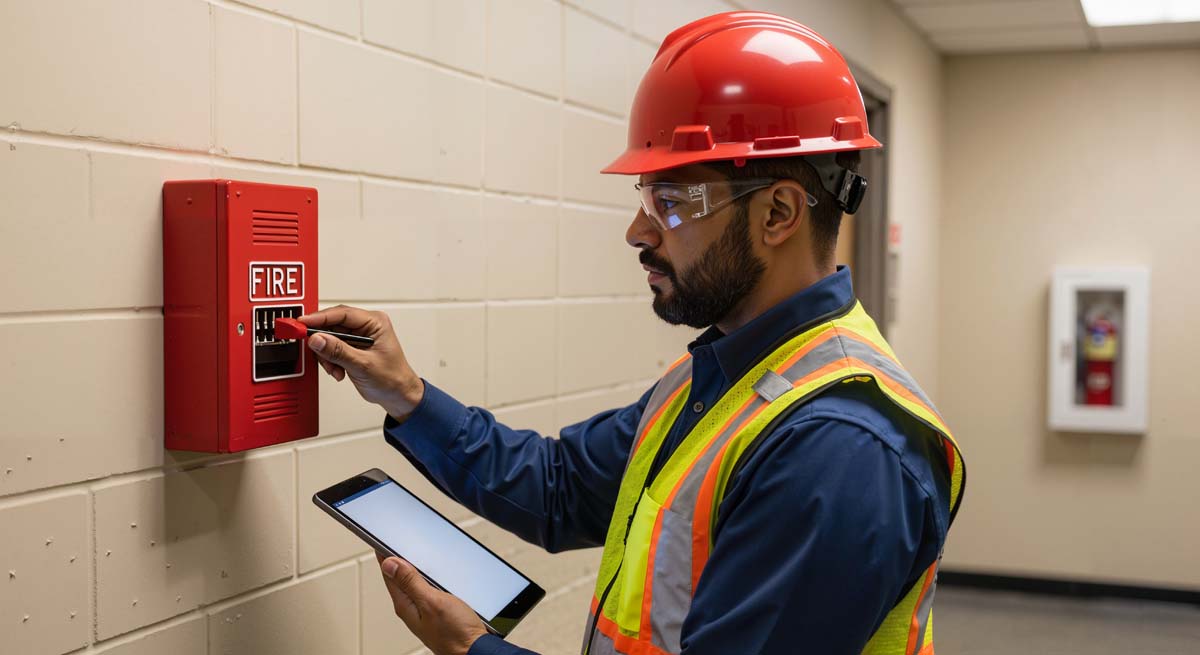
Integrated systems testing, often called IST, confirms that a building's connected life safety, mechanical, electrical, security, and control systems operate together as intended. It is not simply a check that each individual system turns on. It is a coordinated process that tests how systems respond when a real event affects more than one part of the building.
For Canadian commercial construction and building projects, clear IST planning can reduce late-stage surprises, support smoother turnover, and give project teams a more complete picture of building performance before occupancy.
What Integrated Systems Testing Is Designed to Confirm
A modern commercial building contains systems that must communicate and react in sequence. Fire alarm devices may trigger elevator recall, door releases, smoke control responses, HVAC shutdowns, annunciation, and other programmed actions. An emergency power event can affect lighting, equipment controls, alarms, and critical operational loads.
IST brings these interactions into a single, documented testing process.
Unlike component testing or standalone commissioning activities, integrated testing focuses on cause-and-effect relationships across multiple systems. The team confirms that the initiating event is recognized, the appropriate signals are transmitted, connected equipment responds correctly, and the final result aligns with the project's intended sequence of operation.
A useful starting point is to identify the systems that have dependencies, not just the systems that appear on the same drawing. Project teams can review available information through Ratiocode while considering how testing responsibilities, documentation needs, and coordination requirements fit into the broader construction plan.
Typical IST scenarios may include a fire alarm activation, a loss of normal power, a smoke control sequence, or an emergency shutdown condition. The exact scenarios depend on the building's design, installed systems, owner requirements, and project specifications.
The goal is not to create unnecessary tests. It is to confirm that the building performs safely and predictably when connected systems must act together.
Planning IST During Design and Construction
Effective integrated systems testing starts long before the final weeks of construction. When testing is left until closeout, missing controls, incomplete programming, unavailable trades, and unclear responsibilities can create difficult delays.
Design-stage planning gives the team time to identify system interfaces and define how each one should perform. This includes reviewing sequence narratives, equipment schedules, control drawings, fire protection design information, electrical distribution details, and any owner operational requirements. The team should also identify which party provides a signal, which party receives it, and who is responsible for confirming the final response.
The project specifications often establish expectations for testing, records, witness requirements, and acceptance. Some projects may call for formal integrated testing because of their size, complexity, occupancy type, owner standards, or authority expectations. Others may have more limited requirements. Teams should always review their own contract documents and verify applicable authority requirements rather than assuming that one project's approach applies to another.
Early planning also helps define the test schedule. Many prerequisites must be complete before a meaningful integrated test can occur. Individual systems should be installed, powered, configured, and tested independently first. Deficiencies should be resolved where practical, and the required representatives should be available to witness and respond to issues.
For project teams seeking a clearer process, integrated systems testing support can help frame discussions around readiness, system interfaces, test planning, and the records needed for a coordinated test day.
A well-prepared test plan usually identifies the test objective, initiating device or condition, expected system responses, participants, pass criteria, and documentation method. It should also account for retesting if an initial scenario reveals a deficiency.
Who Takes Part in Testing and How Results Are Documented
IST is a team activity because no single trade controls every connected building system. Responsibility is usually distributed across the owner's representatives, consultants, general contractor, construction manager, commissioning personnel if engaged, system contractors, controls specialists, and equipment vendors where needed.
The project documents should clarify who leads the process and who signs off on the results. In practice, a designated coordinator often keeps the schedule moving, confirms prerequisites, gathers current drawings and sequences, and makes sure the right people attend. Each contractor remains responsible for the systems and connections within its scope.
Clear communication matters most at the interfaces. A fire alarm contractor may confirm an initiating signal, while an electrical contractor verifies emergency power performance. Mechanical and controls teams may confirm dampers, fans, or shutdown sequences. Security, elevator, door hardware, and audiovisual systems may also be involved, depending on the project.
Documentation should be treated as part of the test, not paperwork completed afterward from memory. A proper record commonly captures the date, location, test scenario, participants, observed responses, deficiencies, corrective actions, retest status, and final acceptance information. Current drawings, sequences of operation, and marked-up test scripts can help maintain a reliable record of what was actually tested.
Good documentation also supports building operations after turnover. Facilities teams can use it to understand intended responses, identify key system relationships, and plan future maintenance or modifications without relying solely on verbal project history.
Strong project coordination guidance can be particularly helpful when several contractors need to align testing dates, access requirements, shutdown windows, programming changes, and witness attendance.
A failed test does not necessarily mean the project has failed. It identifies an issue that should be assigned, corrected, documented, and retested. The important point is that the team tracks deficiencies to resolution instead of accepting uncertain results.
Preparing Your Canadian Commercial Project for a Better IST Closeout
For Canadian commercial construction and building projects, IST should be approached as a planned verification activity, not a last-minute event added to the deficiency list. The earlier the team maps connected systems and confirms responsibilities, the easier it is to protect the schedule near occupancy and turnover.
Start by reviewing the project specifications, consultant instructions, system sequences, and owner expectations. Confirm what integrated tests are required, who must witness them, what documentation is expected, and what must be complete before testing begins. Authority requirements and project obligations can vary, so each team should verify the requirements that apply to its own building and location.
Before scheduling the final test, confirm that individual systems have completed their own functional checks. Make sure current programming is in place, access to rooms and equipment is available, and trade representatives understand the scenarios being tested. A focused pre-test meeting can prevent avoidable confusion on site.
IST is most valuable when it produces confidence in the building's real-world response. That confidence comes from practical planning, clear roles, complete records, and a willingness to correct issues before handover.
If your project team is preparing for integrated systems testing or needs to clarify the next steps, contact Ratiocode to begin the conversation.