


2026
Accessibility Assessments in BC: What Building Owners Need to Know
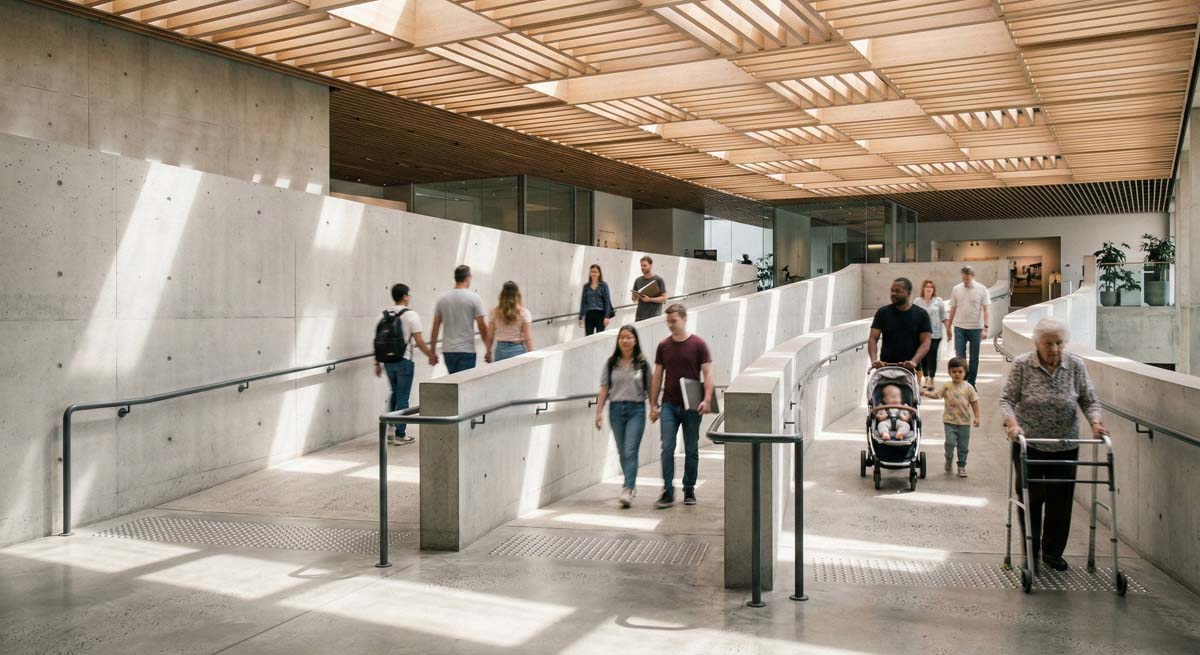
Accessibility assessments have become a critical focus for building owners and managers across British Columbia. As the province advances toward more inclusive communities, understanding the nuances of accessibility requirements is no longer optional but essential for compliance, social responsibility, and long-term asset value. At Ratiocode, we have witnessed a marked evolution in how accessibility assessments are conducted and applied, especially in the context of existing buildings within BC’s diverse real estate landscape.
In this blog post, we will explore what building owners need to know about accessibility assessments in BC, why these evaluations are more complex than ever, and how leveraging expert consulting can turn compliance into opportunity.
The Increasing Imperative of Accessibility in BC Buildings
British Columbia’s commitment to accessibility is reflected in legislation such as the BC Building Code and the Accessible British Columbia Act, which emphasize removing barriers in public and commercial spaces. According to recent statistics from the Canadian Survey on Disability, roughly 22% of Canadians aged 15 and over report living with a disability. In BC, this demographic is growing due to an aging population and increased awareness of invisible disabilities.
For building owners, this trend translates into a growing obligation to ensure their properties are accessible to all users, including people with mobility, sensory, and cognitive impairments. Accessibility assessments are the foundation for identifying gaps and planning upgrades to meet regulatory standards and community expectations.
Why Accessibility Assessments Are More Than a Checklist
Many building owners mistakenly view accessibility assessments as a simple checklist exercisetick off ramps, door widths, washroom features, and you’re done. However, the reality is far more nuanced.
Accessibility assessments must integrate:
- Regulatory Compliance: Understanding the latest BC Building Code requirements, including Part 3 for complex buildings and Part 9 for smaller structures.
- Building Specifics: Each building’s unique design, age, and use influence which accessibility features are feasible or required.
- User Experience: Beyond minimum codes, good accessibility design considers the lived experiences of people with disabilities.
- Future-Proofing: Anticipating changes in legislation, technology, and demographics ensures that upgrades remain valid and valuable.
At Ratiocode, our accessibility assessments incorporate a comprehensive approach that balances code compliance with practical and innovative solutions tailored to the building’s context.
Key Components of an Effective Accessibility Assessment in BC
When conducting an accessibility assessment, building owners should expect a detailed evaluation of:
- Entrances and Exits: Are they barrier-free and equipped with automatic doors or accessible hardware?
- Interior Circulation: Is there adequate space for wheelchair maneuvering? Are corridors and elevators compliant with size and safety standards?
- Washrooms and Amenities: Do restrooms meet accessibility guidelines, including grab bars, sink heights, and clear floor space?
- Signage and Wayfinding: Are signs clear, readable, and supplemented with braille or tactile features?
- Lighting and Acoustics: Does the building accommodate individuals with sensory impairments through appropriate lighting and sound design?
- Emergency Systems: Are alarms visual and auditory? Are evacuation routes accessible?
These components require specialized knowledge in both building codes and human factors, which is why expert guidance is invaluable.
Challenges for Existing Buildings in BC
For existing buildings, particularly those constructed prior to the latest code iterations, accessibility upgrades can be complex. Older buildings often face structural limitations that make simple retrofits difficult or cost-prohibitive.
According to a study published by the Canada Mortgage and Housing Corporation, retrofitting existing buildings for accessibility can increase costs by 10 to 30 percent compared to new construction, depending on the scope of work and building type.
This reality makes it essential to conduct thorough upgrade analysis for existing buildings to evaluate the technical feasibility, cost implications, and prioritization of accessibility improvements. Ratiocode’s expertise in this area helps building owners navigate challenges without compromising safety or usability.
Alternative Solutions for Accessibility Upgrades
Innovative approaches are emerging in BC to address accessibility in existing commercial buildings without resorting to extensive demolition or reconstruction.
Some of these alternative solutions include:
- Modular ramp systems that can be installed with minimal structural intervention.
- Adaptive technology such as tactile wayfinding apps and voice-activated doors.
- Flexible interior layouts that can be reconfigured to improve circulation and access.
- Use of materials and finishes that enhance sensory comfort for neurodiverse users.
Our recent blog post on alternative building upgrade solutions for existing commercial buildings in BC dives deeper into these strategies, illustrating how building owners can meet accessibility goals creatively and cost-effectively.
The Business Case for Accessibility
Beyond compliance and social responsibility, accessibility upgrades represent a strategic business investment. Accessible buildings attract a wider customer base, including seniors and individuals with disabilities, who collectively represent a significant market segment.
According to the Canadian Disability Survey, the disposable income of Canadians with disabilities exceeds $25 billion annually. Ignoring accessibility means missing out on this substantial economic opportunity.
Moreover, accessible buildings often enjoy enhanced reputation, tenant satisfaction, and reduced legal risks. They are also better positioned to benefit from government incentives and grants aimed at accessibility improvements.
Leveraging Building Code Consulting for Seamless Compliance
Navigating BC’s building codes and accessibility regulations can be daunting, especially as they evolve. Ratiocode’s building code consulting services provide building owners with expert interpretation and application of codes to ensure both compliance and optimal design outcomes.
Our consultants work closely with architects, engineers, and owners to integrate accessibility into broader building upgrade and maintenance plans. This collaborative approach minimizes project delays and unexpected costs.
Steps Building Owners Should Take Now
If you own or manage a building in BC, here are practical steps to prepare for and benefit from accessibility assessments:
- Engage Experts Early: Partner with specialists who understand BC’s accessibility codes and building conditions.
- Conduct Comprehensive Assessments: Go beyond minimal compliance by evaluating user experience and future needs.
- Prioritize Upgrades Strategically: Use upgrade analysis to focus on interventions that deliver high impact and value.
- Explore Alternative Solutions: Consider innovative technologies and design approaches to overcome structural challenges.
- Plan for Ongoing Compliance: Accessibility is not one-time; build continuous monitoring and maintenance into your property management.
Ratiocode’s integrated services are designed to support these steps, helping building owners throughout the lifecycle of their properties.
Conclusion
Accessibility assessments in BC are no longer routine evaluations but strategic initiatives essential for legal compliance, social equity, and business success. As the province’s demographic and regulatory landscape shifts, building owners must adopt sophisticated, tailored approaches to accessibility that balance technical, financial, and human factors.
Ratiocode stands ready to guide building owners through this evolving terrain with expert accessibility assessments, building code consulting, and upgrade analysis. By embracing comprehensive accessibility strategies, BC’s building owners can create environments that truly welcome everyone and future-proof their investments.
For more information on how to get started, visit our accessibility assessments page or contact us for a consultation.
By positioning accessibility not just as compliance but as a catalyst for innovation and inclusion, building owners in BC can lead the way toward a more accessible built environment. At Ratiocode, our experience and infrastructure empower that journey every step of the way.