


2026
What Is BC Building Code Part 3 - And Which Buildings Must Comply?
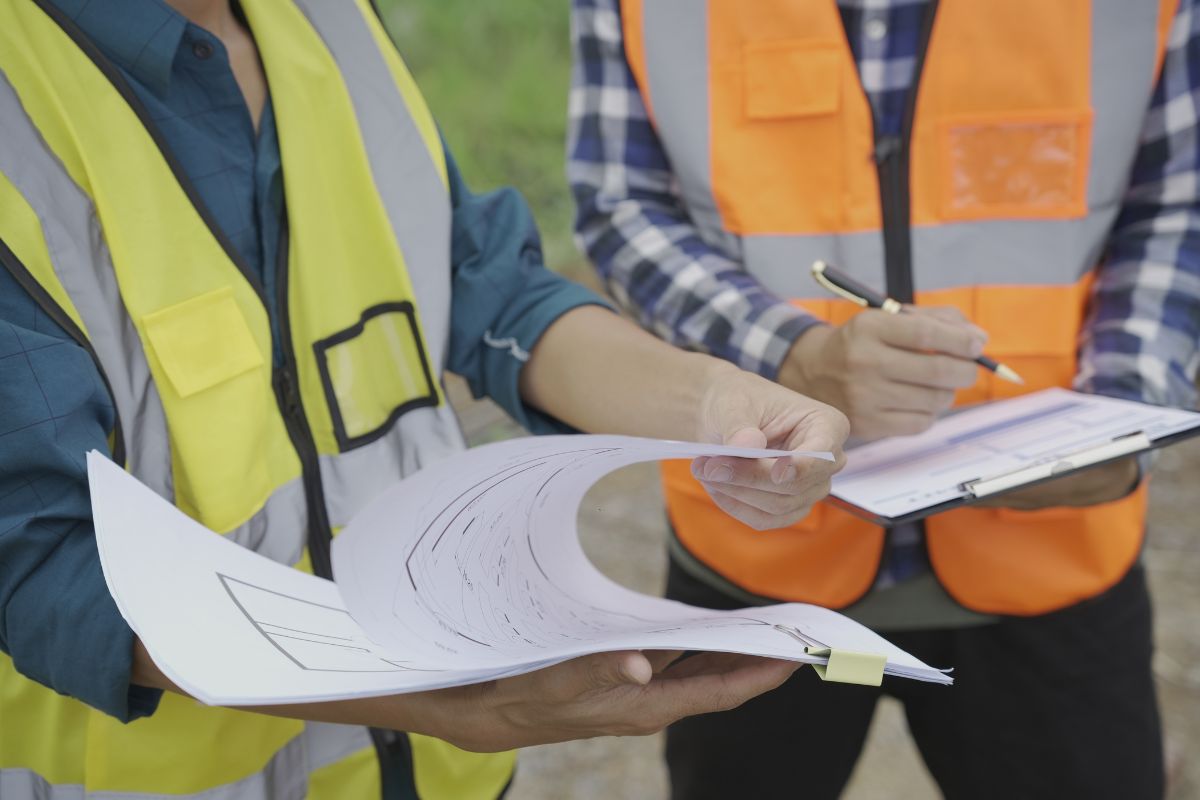
Entering the world of construction in British Columbia often feels like learning a new language. For example, you may have heard industry experts mention Part 3 or Part 9 while discussing your project. These terms refer to specific sections of the BC Building Code that dictate how a structure must be designed. Part 3 is the more complex sibling, focusing on safety and structural integrity for larger buildings.
Understanding these regulations is the first step toward a successful build. At Ratiocode, we believe that clarity is the most important tool in any developers kit. This guide will walk you through the essential details of Part 3 compliance. We will help you understand whether your next project falls under these rigorous standards.
The Fundamental Difference Between Simple and Complex Buildings
The building code essentially splits structures into two categories based on their complexity. Part 9 governs simple buildings like houses and small retail shops. These projects are usually straightforward and do not require the same level of engineering as a high rise. Most builders can manage these projects with a standard set of prescriptive rules.
Part 3 is the section reserved for complex buildings. These are structures where the risk to human life is higher due to size or usage. Because more people gather in these spaces, the code requires a much higher standard for fire protection. Every detail from the thickness of the walls to the number of exits is scrutinized by professionals.
Choosing the right classification early on prevents expensive mistakes later. If you design a building under Part 9 only to find it needs Part 3 compliance, your costs will skyrocket. Our team at Ratiocode helps you identify the correct path from the very beginning. This ensures your design is safe, legal, and efficient.
The Specific Size and Height Thresholds for Compliance
Determining if your building falls under Part 3 usually starts with some simple measurements. The code uses building area and height as the primary triggers for these requirements. If your building has a footprint larger than 600 square meters, it is almost certainly a Part 3 project. This large area creates a greater distance for people to travel during an emergency.
Height is the second major factor you must consider. Any building that stands more than three stories high must follow Part 3 rules. Taller buildings present unique challenges for firefighters and evacuation teams. They require specialized systems like pressurized stairwells to keep smoke out during a fire.
Even if your building is small, its intended use might still trigger Part 3. Certain high risk activities require advanced safety measures regardless of square footage. We often see clients surprised when their small facility needs a full fire alarm system. Knowing these thresholds allows you to budget correctly for your mechanical and electrical systems.
Navigating the Many Major Occupancy Classifications
The way you use a building is just as important as how big it is. The code divides uses into groups called major occupancies. These groups range from assembly spaces where people gather to industrial sites where chemicals are handled. Each group carries a different level of risk and therefore has a different set of rules.
Understanding these groups is vital because they determine the safety measures needed. The primary occupancy groups under Part 3 include the following categories.
- Group A for assembly occupancies like theaters and restaurants.
- Group B for care, treatment, or detention facilities like hospitals.
- Group C for residential buildings like apartment complexes and hotels.
- Group D for business and personal services such as office buildings.
- Group E for mercantile occupancies like retail stores and malls.
- Group F for industrial occupancies ranging from factories to warehouses.
Each of these categories has unique requirements for fire separation and accessibility. For example, a Group A assembly space needs more exits per person than a Group D office. This ensures that a crowd can leave a building quickly if a fire breaks out. At Ratiocode, we specialize in analyzing these mixed uses to keep your project moving forward.
Advanced Fire Protection and Life Safety Standards
Life safety is the driving force behind every word in Part 3. These regulations focus on giving occupants enough time to escape before a building becomes dangerous. This is achieved through a combination of active and passive fire protection. Active systems like sprinklers and smoke detectors provide an immediate response to heat and flames.
Passive protection is built directly into the walls and floors. You might hear this referred to as a fire resistance rating. This rating tells you how many minutes or hours a wall can withstand fire before it fails. Using the right materials ensures that a fire stays contained in the room where it started.
Exit design is another critical piece of the Part 3 puzzle. The code mandates specific widths for hallways and stairs based on how many people will use them. You must also ensure that exits are clearly marked and easy to find in the dark. These measures provide peace of mind for everyone who enters the building.
The Vital Role of Professional Oversight and Design
A Part 3 building is too complex for a single person to design alone. The law requires a team of registered professionals to oversee the project. This usually includes an architect and engineers specializing in structural, mechanical, and electrical systems. These experts provide the technical knowledge needed to meet the high standards of the code.
These professionals must also provide documents known as letters of assurance. These papers tell the city that the design is compliant and the construction is being monitored. This accountability system protects the public and ensures that the building is built as designed. It is a rigorous process that requires constant communication between the team members.
At Ratiocode, we act as a bridge between these professionals and the building officials. We help coordinate the technical details to ensure nothing gets missed in the shuffle. This collaborative approach leads to fewer revisions and a faster permit process. Your project benefits from having a dedicated partner watching over the code compliance.
How the Vancouver Building Bylaw Differs From Provincial Rules
If your project is located in Vancouver, you need to follow a different set of rules. The city has its own Vancouver Building Bylaw, or VBBL, which is based on the BC code but adds several unique layers. Vancouver often has stricter requirements for energy efficiency and seismic safety. This is due to the city's commitment to sustainability and its location in a high risk earthquake zone.
The VBBL is updated frequently to reflect new technologies and environmental goals. For instance, Vancouver often mandates higher levels of insulation and better windows than the rest of the province. This can change how you design your building envelope and select your materials. It is essential to check the latest city bulletins before you finalize your plans.
Navigating these differences requires a deep understanding of both provincial and local law. What works in Burnaby might not be acceptable in downtown Vancouver. Our experts stay current on these variations so you do not have to. We make sure your project meets the specific demands of the Vancouver building department.
Navigating the Complex Permit Application Journey
Getting a building permit for a Part 3 project is a major milestone. It requires a massive amount of documentation, including detailed drawings and engineering reports. The city officials will review every page to ensure your design meets the requirements of the code. This review process can take months, depending on the complexity of the project.
To ensure a smooth approval process, your submission should include several key components. The standard permit package typically consists of these items.
- A comprehensive code analysis showing the building classification.
- Detailed architectural drawings with fire separation details.
- Structural engineering reports for foundation and framing.
- Mechanical and plumbing plans including sprinkler designs.
- Electrical drawings showing emergency lighting and fire alarms.
- Energy model reports proving compliance with the Step Code.
Once these documents are submitted, you may receive comments or questions from the plan checkers. Addressing these concerns quickly and accurately is essential for keeping your timeline on track. Our team handles these technical discussions so you can focus on other parts of your business. We know how to speak the language of building officials to get your project approved.
Clarify Your Path to Success with Expert Guidance
The journey through BC Building Code Part 3 is undeniably complex. From understanding occupancy groups to meeting energy targets, there are many hurdles to clear. However, these rules exist to create a safer and more sustainable province for everyone. When you follow the code, you are building more than just a structure; you are building a legacy.
Having the right partner makes all the difference in this process. You need a team that understands the nuances of both the provincial code and the Vancouver bylaws. Expert consulting saves you time, reduces stress, and prevents costly mistakes. It allows you to move forward with confidence, knowing your project is in good hands.